Right To Survival
Life, health and a safe start.
- To be born and to live with dignity
- Food, shelter and clothing
- Healthcare, clean water and nutritious food
- A clean and safe environment
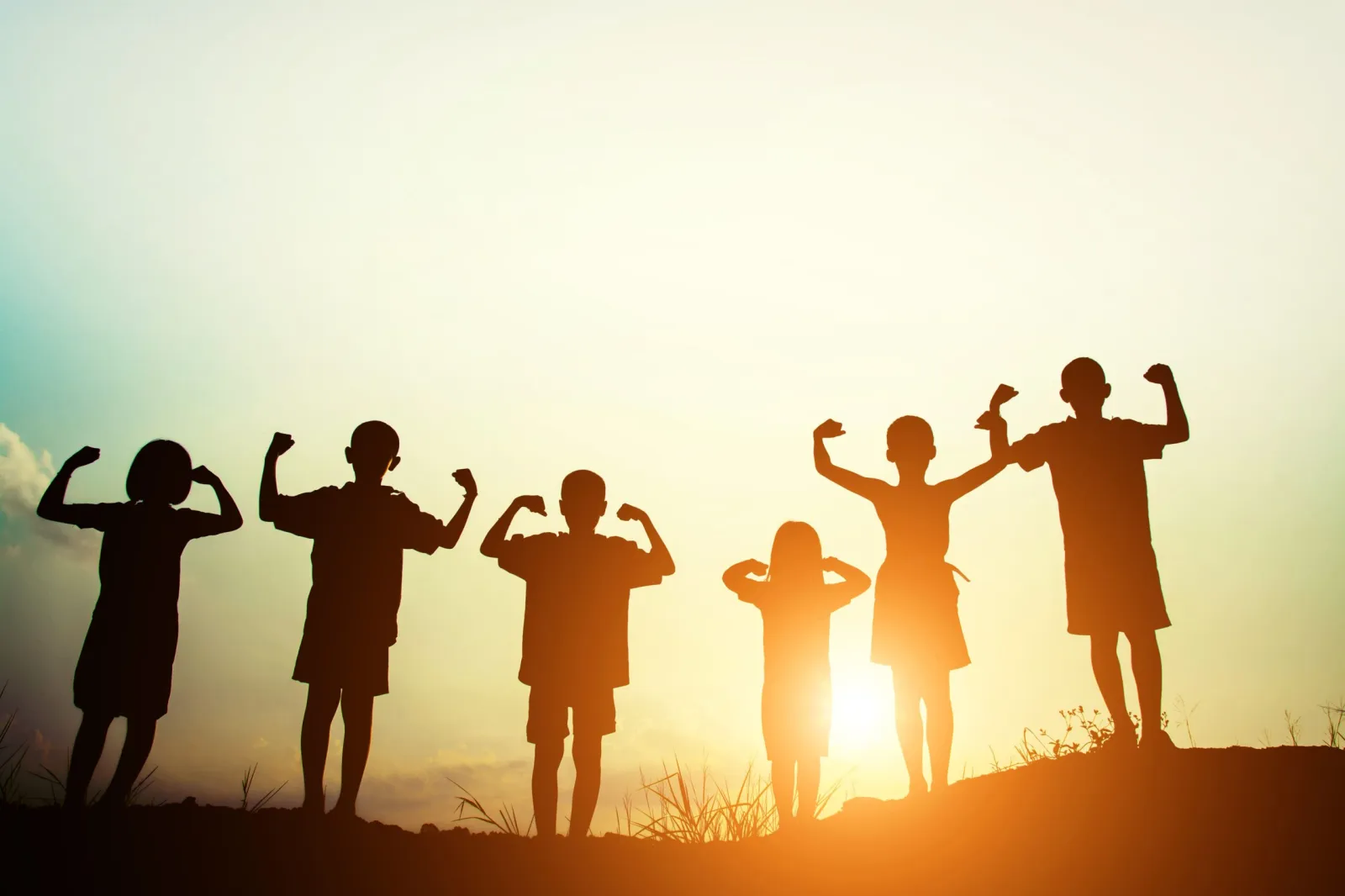


Every person under 18 has rights that no one can take away: to be safe, healthy, educated and heard. Yet many children in India still grow up on the streets, out of school and without basic care.
The United Nations Convention on the Rights of the Child (UNCRC) lists these rights for every child, whatever their religion, gender, language, ability or family. Knowing them is the first step to protecting them.
All child rights fall into four simple groups. Together they cover a child’s whole life.
Life, health and a safe start.
Safe from harm, always.
Room to learn and grow.
A voice that counts.
Pick a topic or scroll through every right in the Convention, written so anyone can understand it.
Everyone under 18 has all the rights in this Convention.
The ConventionThese rights apply to every child, whatever their religion, abilities, beliefs or family.
The ConventionEvery decision about children must put the child’s best interests first.
The ConventionGovernments must make these rights real for every child.
The ConventionGovernments should respect the family’s role in guiding children as they grow.
Family & CareEvery child has the right to life and to grow up healthy.
Survival & HealthEvery child has the right to a registered name and nationality, and to know and be cared for by their parents.
Voice & IdentityGovernments must protect a child’s name, nationality and family ties.
Voice & IdentityChildren should not be separated from their parents unless it is for their safety, and can stay in touch with both parents.
Family & CareFamilies living in different countries should be able to stay in contact and reunite.
Family & CareGovernments must stop children being taken out of the country illegally.
ProtectionChildren have the right to say what they think in decisions that affect them, and to be taken seriously.
Voice & IdentityChildren have the right to find and share information, as long as it harms no one.
Voice & IdentityChildren have the right to think and believe what they want, with guidance from their parents.
Voice & IdentityChildren have the right to meet friends and join groups.
Voice & IdentityEvery child has the right to privacy, and to protection of their good name and home.
Voice & IdentityChildren have the right to reliable, child-friendly information from the media.
Voice & IdentityBoth parents share responsibility for bringing up their child, with support from the government.
Family & CareChildren must be protected from violence, abuse and neglect by anyone who looks after them.
ProtectionChildren who cannot live with their family must be cared for properly, respecting their culture and language.
Family & CareIn adoption, the child’s best interests always come first.
Family & CareRefugee children have the same rights as children born in that country.
ProtectionChildren with a disability have the right to special care and support to live a full, independent life.
Survival & HealthChildren have the right to good healthcare, clean water, nutritious food and a clean environment.
Survival & HealthChildren in care should have their situation reviewed regularly.
Family & CareFamilies in need should get extra support from the government.
Survival & HealthChildren have the right to a standard of living that meets their physical and mental needs.
Survival & HealthEvery child has the right to education, and primary education should be free.
Education & GrowthEducation should develop each child’s personality and talents to the full.
Education & GrowthChildren have the right to learn and use their own language and customs.
Education & GrowthEvery child has the right to relax, play and join in activities.
Education & GrowthChildren must be protected from work that is dangerous or harms their health or education.
ProtectionChildren must be protected from dangerous drugs.
ProtectionChildren must be protected from sexual abuse.
ProtectionChildren must never be abducted or sold.
ProtectionChildren must be protected from anything that could harm their development.
ProtectionChildren who break the law must not be treated cruelly or jailed with adults.
ProtectionChildren in war zones need special protection, and young children must not join the army.
ProtectionChildren who were neglected or abused should get special help to recover.
ProtectionChildren accused of breaking the law have the right to legal help and fair treatment.
ProtectionIf a country’s own laws protect children better, those laws stay.
The ConventionGovernments must make these rights known to every parent and child.
The ConventionIndia’s Right of Children to Free and Compulsory Education Act, 2009 came into force on 1 April 2010. It turned schooling from a privilege into a fundamental right.
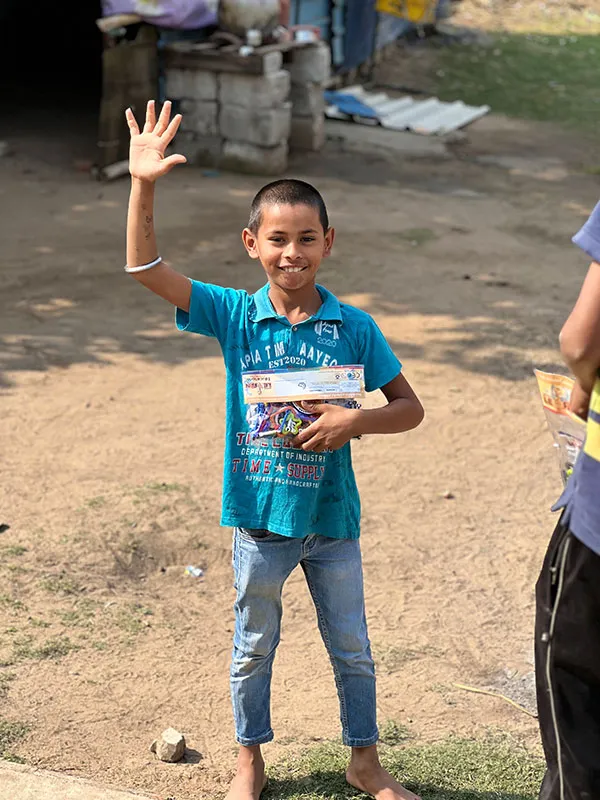
Laws are in place, but for many families daily survival still comes before school. That gap is where communities, volunteers and organisations like ours step in.
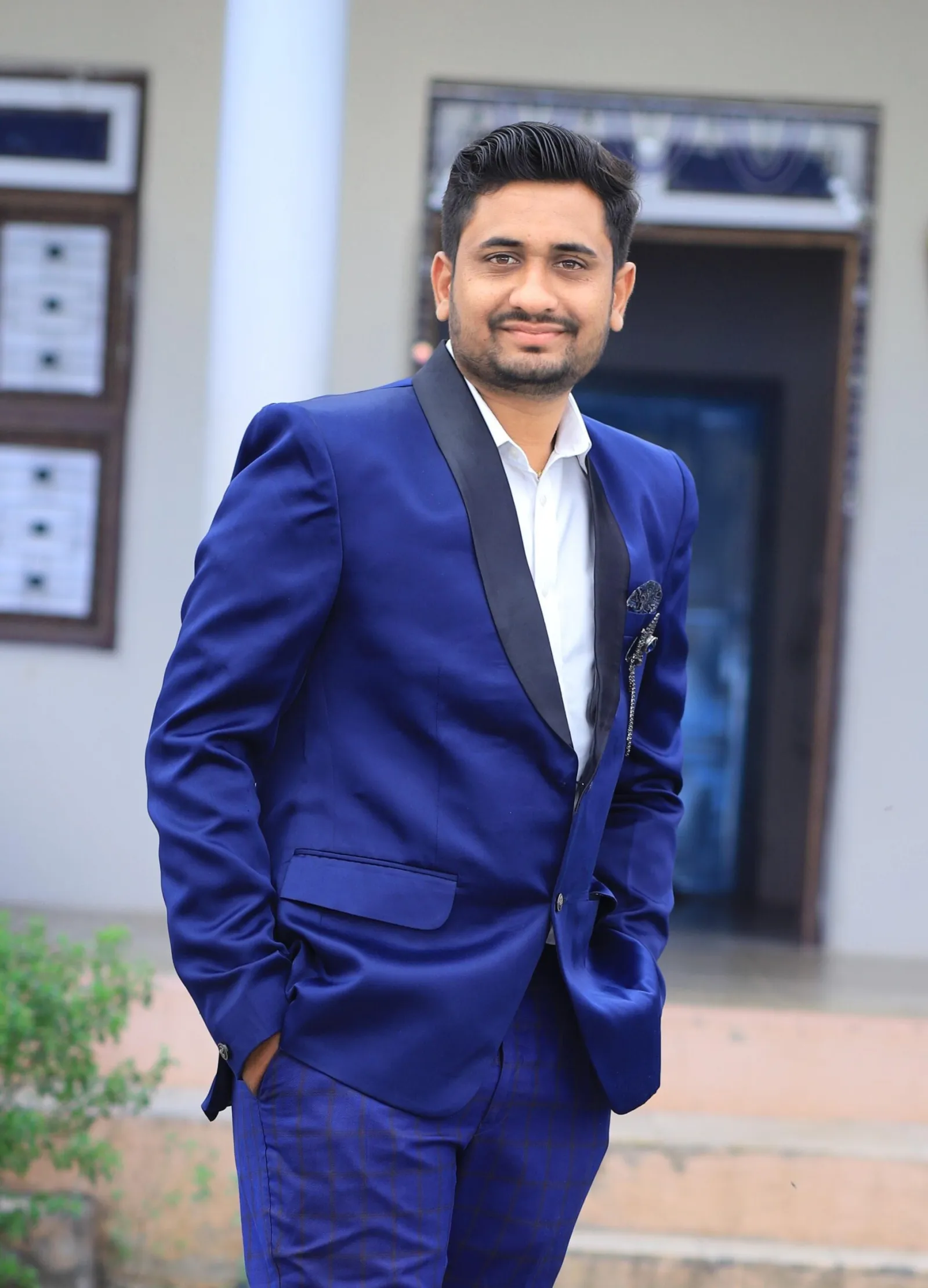
Whose children are we talking about? Are they not our children? If yes, can we leave them to fend for themselves, defenceless and without care? Child rights are the pillar of nation building and of a brighter tomorrow.
Sandip JodhaniFounder, Sanvedana Child Foundation
You do not need a law degree to protect a child. Here is what anyone can do today.
See a child in danger, working or being harmed? Call India’s free 24x7 child helpline, or 112 in an emergency.
Call 1098Join drives, health camps and awareness campaigns with your friends or college group.
Join The SquadSpread awareness, but never post a child’s face, name or location without consent.
Read Our StoriesYour support funds school kits, scholarships and health care for children in Gujarat.
Donate NowShort, clear answers to the questions people ask us most.
Child rights are the basic freedoms and protections every person under 18 is entitled to, whatever their religion, gender, language, ability or family background. They are set out in the United Nations Convention on the Rights of the Child (UNCRC).
The rights are usually grouped as the right to survival, the right to protection, the right to development and the right to participation.
India’s Right of Children to Free and Compulsory Education Act, 2009 came into force on 1 April 2010. It makes free and compulsory education a fundamental right for every child aged 6 to 14, says no child can be held back or expelled before completing elementary education, and provides special training for children who dropped out.
Call 1098, India’s free 24x7 helpline for children in need of care and protection, or 112 in an emergency. You can also tell a trusted adult, a teacher or the police, and reach out to our team.
Through education support and scholarships under Premal Yojana, school kits, health camps, awareness drives and community programmes that help children in Ahmedabad and across Gujarat stay healthy, safe and in school.
Volunteer at drives and awareness campaigns, share stories responsibly without showing children’s faces or personal details, speak up when something looks wrong, and support programmes that keep children in school.
Be that someone. Volunteer with your friends or help a child stay in school.